
Why we believe in what we do
Walking
Walking is one of the oldest activities of humankind: a necessity, a way of exploring, learning, and relating to our surroundings. Today, when speed dominates much of everyday life, walking still offers something increasingly scarce: time. Time to observe. Time to think. Time, simply, to be present.
All truly great thoughts are conceived while walking.
Friedrich Nietzsche
Walking isn’t just about moving forward. It also means inhabiting the place where we are.
It concerns me to find myself walking a mile through the woods bodily, without getting there in spirit.
Henry David Thoreau, Walking (1862)
That’s why our proposals don’t just aim to reach a summit or complete a route. They aim to create the conditions for you to observe more attentively, interpret what surrounds you, and live the experience with full awareness. When we slow down, details appear that used to go unnoticed: the shape of the mountains, the geology that explains the landscape, the plants that reveal the type of soil, the tracks left by animals, the history written into the trails.
We set out to discover a place. But we often return with much more: new questions, new knowledge, a different outlook.
In every walk with nature one receives far more than he seeks.
John Muir
That’s why, at Enriterra, we see hiking as a tool: the means that lets us discover, understand and better care for the places we walk through.
Territory
For us, a territory is the set of relationships that give a place its identity: geology, climate, flora, fauna, people, language, history, gastronomy, trades, and all the transformations it has undergone over time. Walking is a way of drawing closer to it — observing it, interpreting it and, little by little, becoming part of it.
Space is transformed into place as it acquires definition and meaning.
Yi-Fu Tuan, Space and Place: The Perspective of Experience (1977)
That’s why we see the guide as an interpreter of the land: not just someone who leads a group along a route, but someone who helps you observe, interpret and understand the place you’re walking through — because only what is known can truly be valued and cared for.
Curiosity
All humans by nature desire to know.
Aristotle, Metaphysics (4th century BC)
Curiosity has been one of the great engines of human development. It’s what drives us to explore, observe, ask questions and try to understand the world around us. At Enriterra, we don’t aim to answer every question. We’d rather awaken them. That’s why we see the guide’s role as that of an interpreter of the land: someone who accompanies you, gives you context, and helps you build your own relationship with the places you walk through.
Traveller, there is no path. The path is made by walking.
Antonio Machado, Proverbios y cantares XXIX
Perhaps this is, in the end, the best way to describe how we understand hiking.
Nature
Nature isn’t just the backdrop for our activities: it’s part of the experience. The place where you walk shapes the way you observe, think, learn and relate to your surroundings. In recent years, numerous studies have begun to scientifically explain some of the benefits many people have long sensed intuitively.
Attention Restoration Theory — Stephen and Rachel Kaplan. This theory, one of the most influential in environmental psychology, proposes that natural environments help restore our capacity for attention after prolonged periods of mental effort.
Gregory Bratman and colleagues (Stanford University, 2015). Several studies have found that walking for around ninety minutes in a natural environment is associated with a decrease in mental rumination — those repetitive thoughts that often feed stress — compared with walking in an urban environment.
University of Utah (2024). A more recent study, using brain activity measurements (EEG) across 92 participants, found a measurable improvement in executive attention after 40 minutes walking in a natural environment — something that didn’t happen among those who walked in an urban environment.
These studies don’t turn nature into a universal prescription. But they do reinforce an idea we share: the quality of the environment also shapes the quality of the experience.
That’s why we design activities that let you slow down, observe more calmly, and build a more mindful connection with the landscape you’re walking through.
Learning by walking
It’s the process through which hiking becomes a tool for better understanding the land, developing curiosity, gaining independence, and building a more mindful relationship with nature, with other people, and with oneself.
In practice, this way of understanding hiking translates into four pillars present in all our activities:
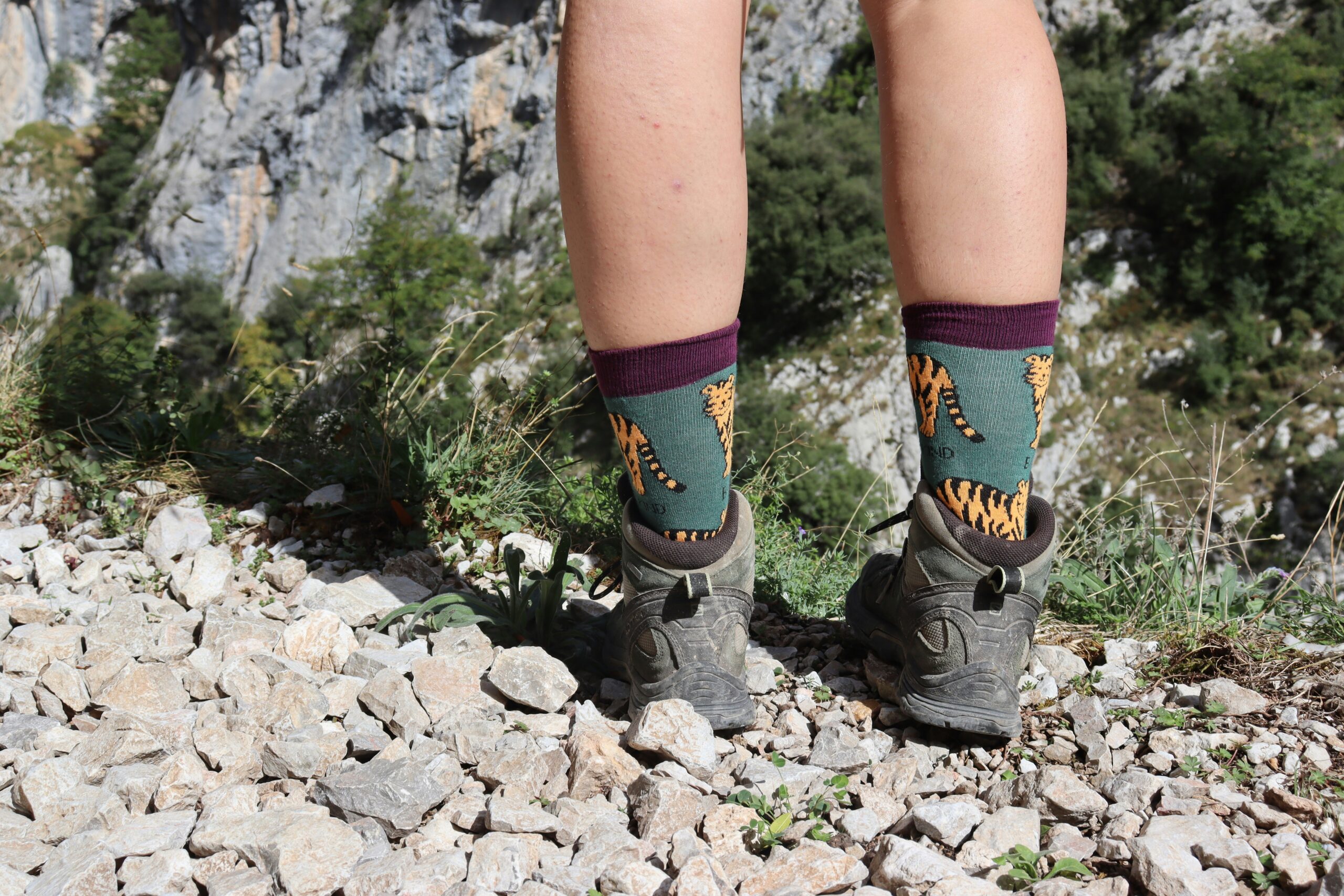
Walking
Slowing down to reveal what used to go unnoticed. You’ll learn to read a landscape: why a ridge has that shape, why that forest grows there and not another.
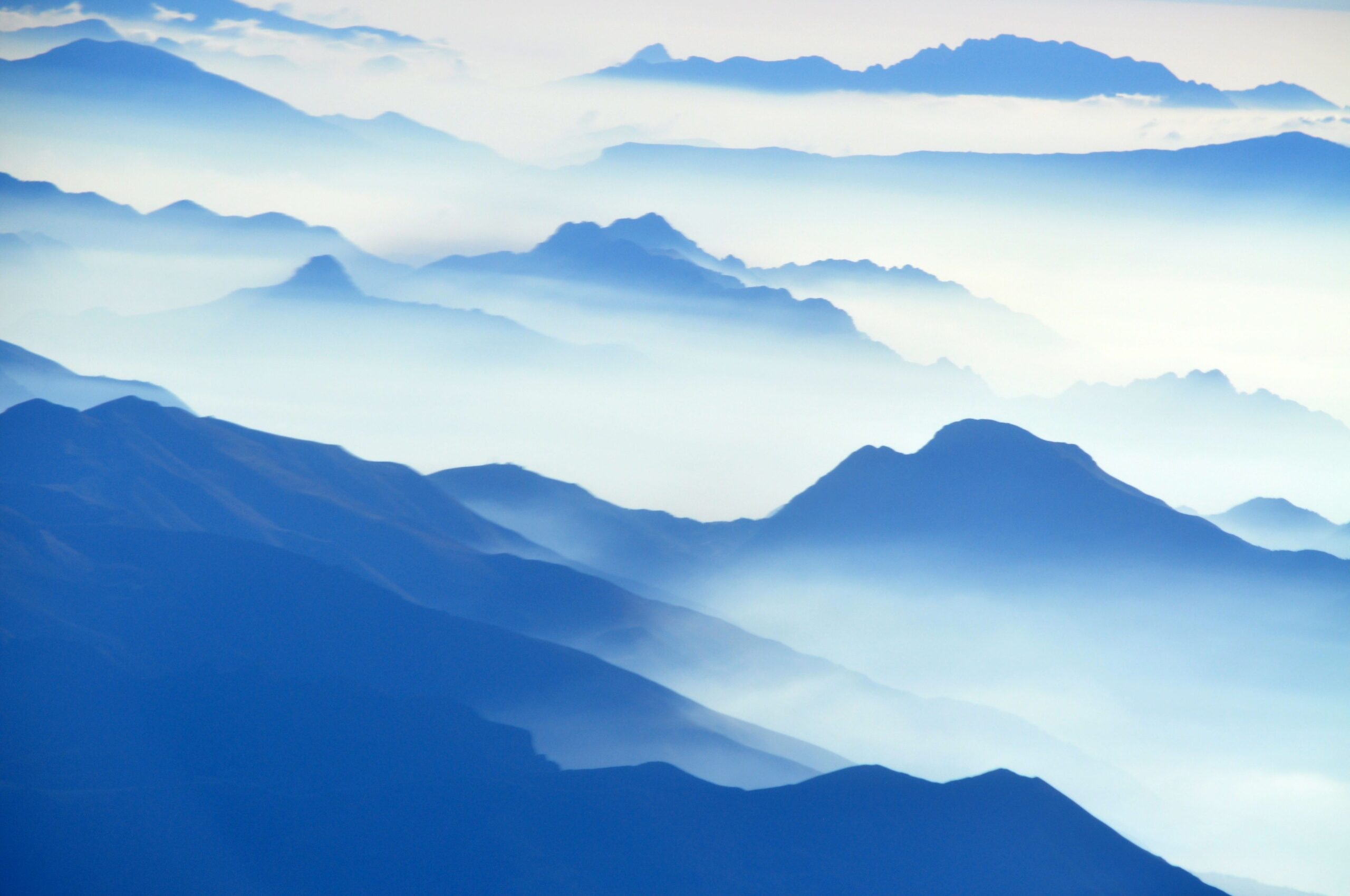
Territory
A territory is the sum of the relationships that give it identity: geology, climate, flora, fauna, culture, traditions. Interpreting it is our way of understanding hiking.
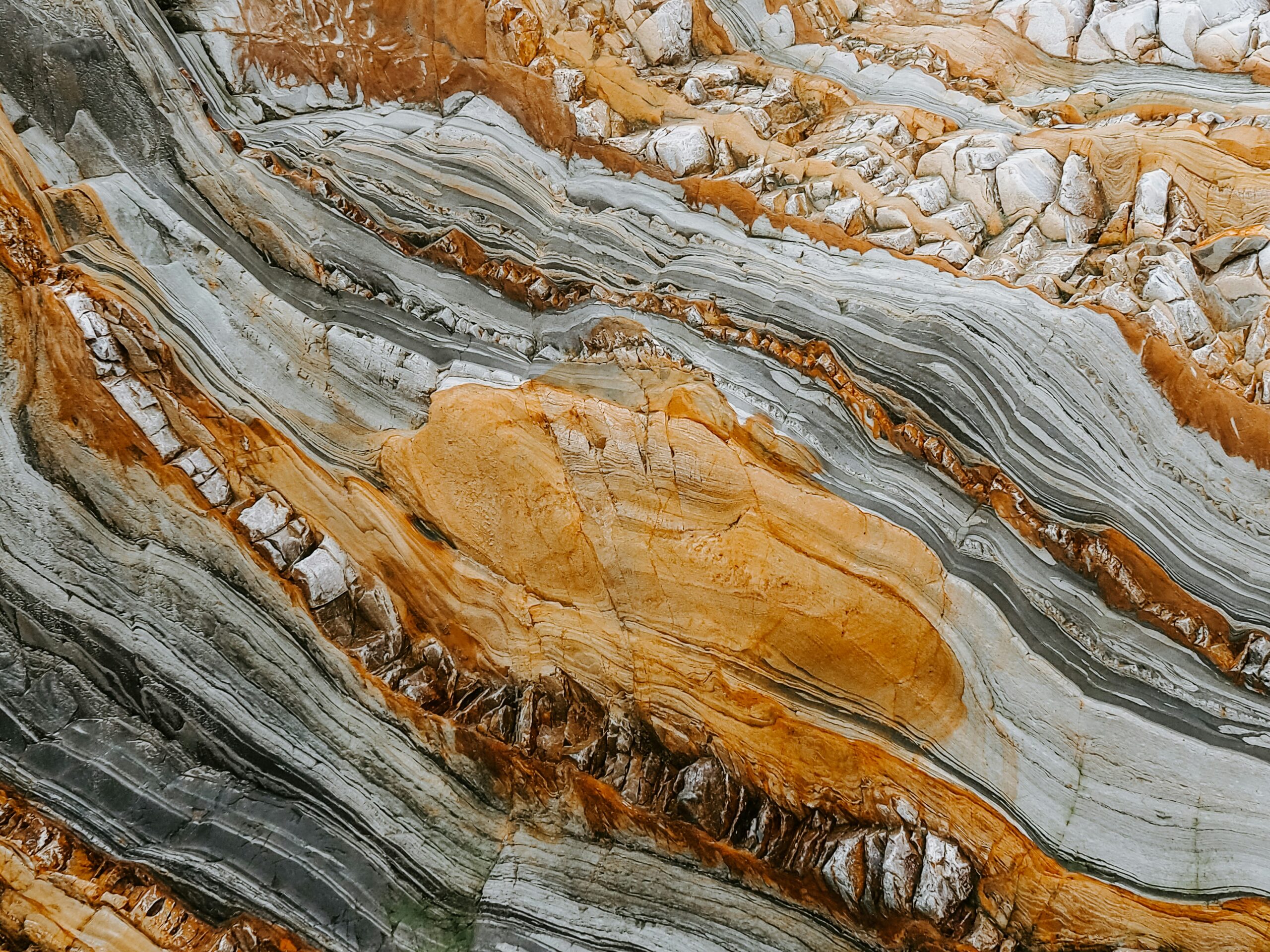
Curiosity
The engine of learning. We don’t aim to give every answer — we’d rather awaken questions. Every outing invites you to look, wonder and discover.
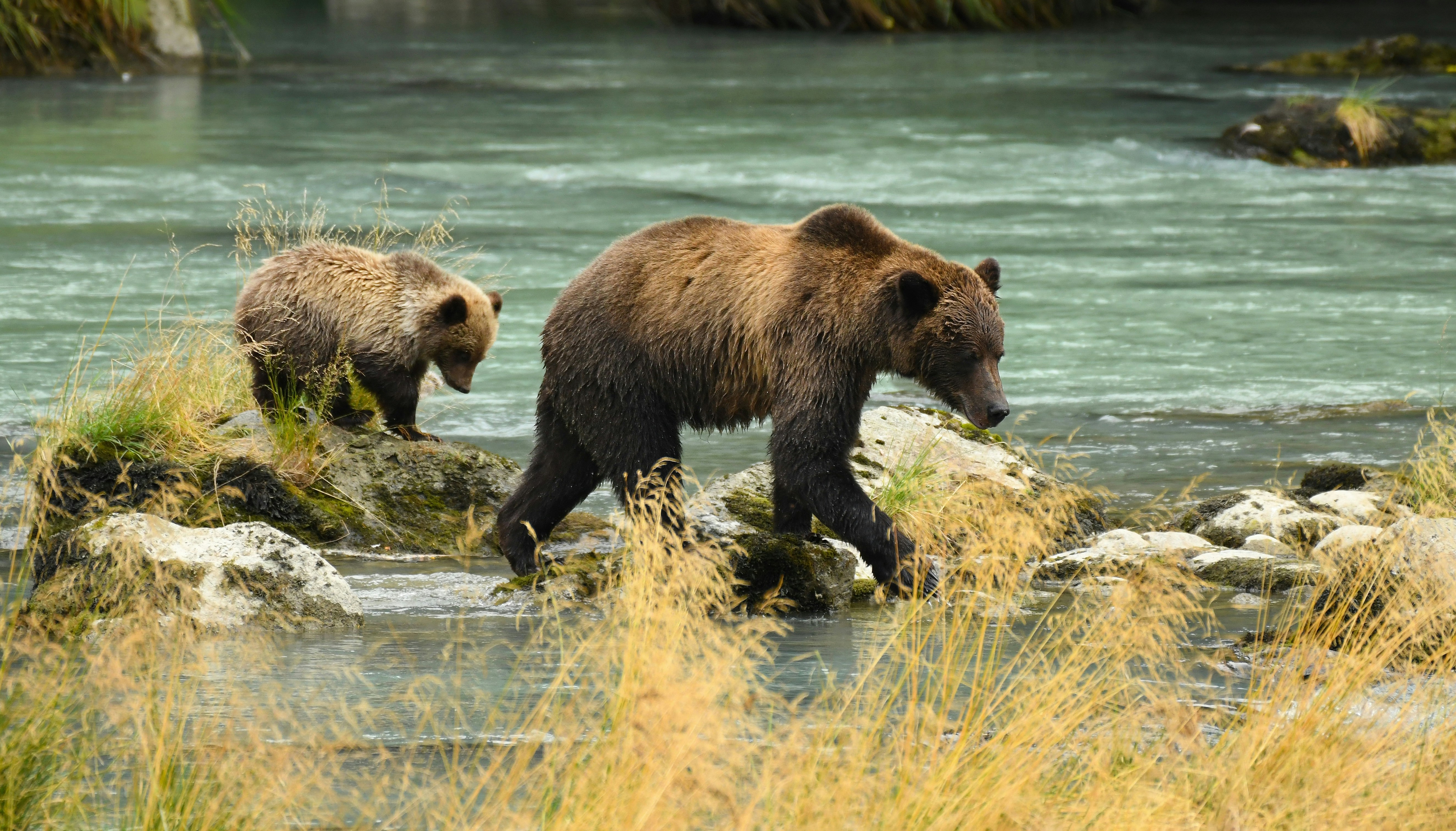
Nature
It’s not just the setting: it’s part of the experience. The place where we walk shapes how we observe, think and relate to our surroundings.
Because walking, in the end, is exactly that: seeking a connection with nature and, in turn, with oneself.